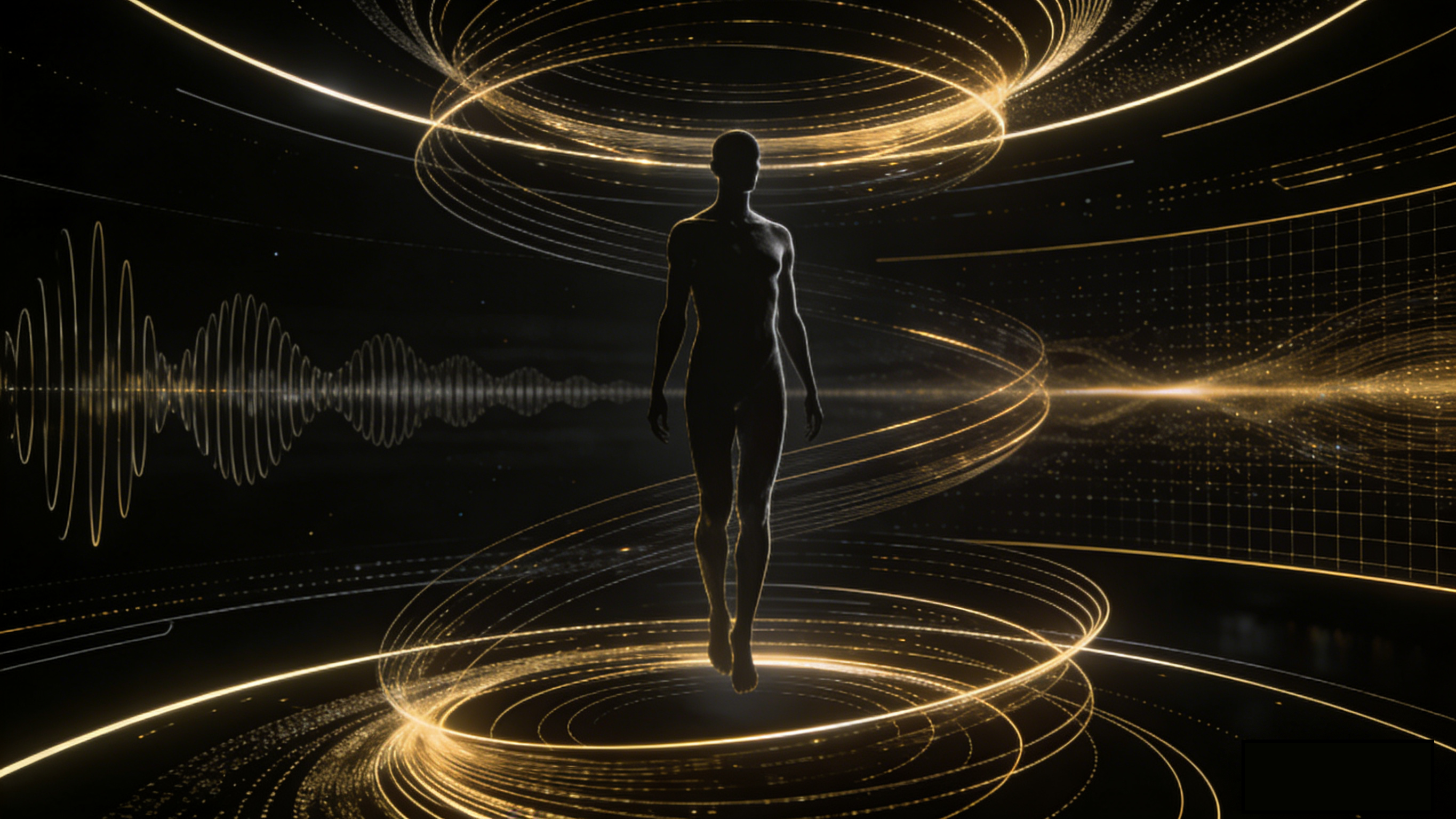
Stress, fatigue, sleep disruption, mood shifts, and sensory discomfort are often explained through the brain. That view is useful, but incomplete.
Human beings are not isolated brains in operation. State emerges through the brain, bodily signals, autonomic regulation, and the sensory conditions around us.
This is why interoception and allostasis matter. Interoception describes how we sense and integrate signals from inside the body.
Allostasis describes how the body adjusts in advance to stay within a workable range. Many problems that seem sudden may begin as slow dysregulation.
Modern life makes this visible. Noise, pressure, and dense information rarely create a clean symptom at once.
Instead, people may enter a harder-to-name condition: sensory overload, slower recovery, scattered attention, poorer sleep, and a low but persistent bodily tension.
Environmental stimuli are not background. They participate in regulation, sometimes gently and sometimes with force.
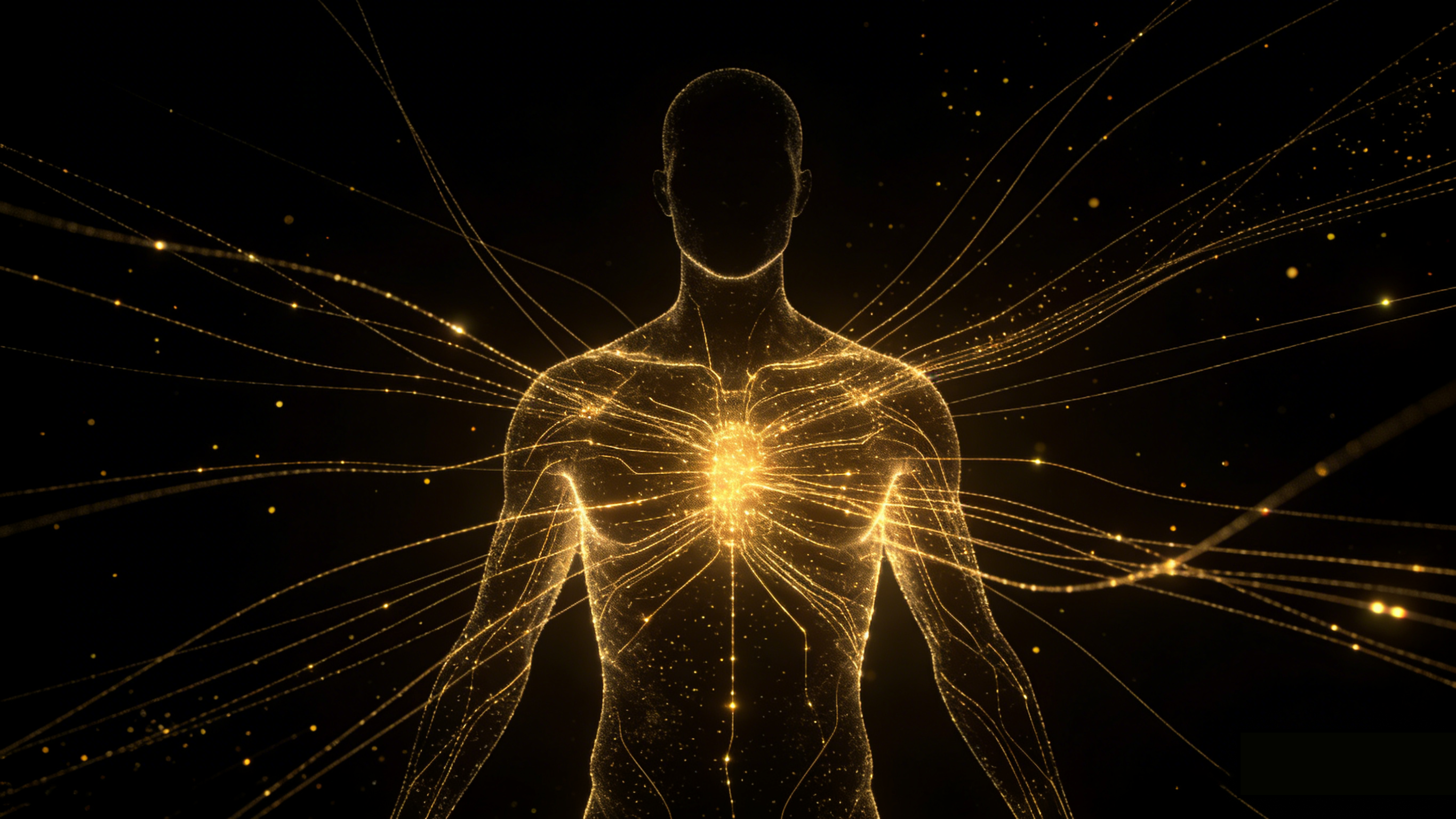
This is why multisensory coordination matters to us.
We see it as a direction for state-regulation technology, not as a universal therapy. The question is not whether more stimulation is better. It is whether different sensory inputs can be organized into better relationships.
When those relationships are intentionally designed, they may help people enter states that are more stable, more comfortable, and better suited to the moment.

Existing studies offer useful signals. In some settings, multisensory environments may influence emotion, arousal, attention, and perceived comfort.
But restraint is important. Methods, samples, stimuli, and evaluation standards still vary widely. Mature, reproducible systems will require more validation.
If these relationships can be measured, modeled, and adapted more precisely, they may open new possibilities for stress recovery, emotional support, attention, and immersive experience design.
The next generation of state research will not belong only to neuroscience or single-sense design. It will need a more integrated path.
That path understands body, sensation, environment, and regulation together. It is still early, but it deserves serious work.